
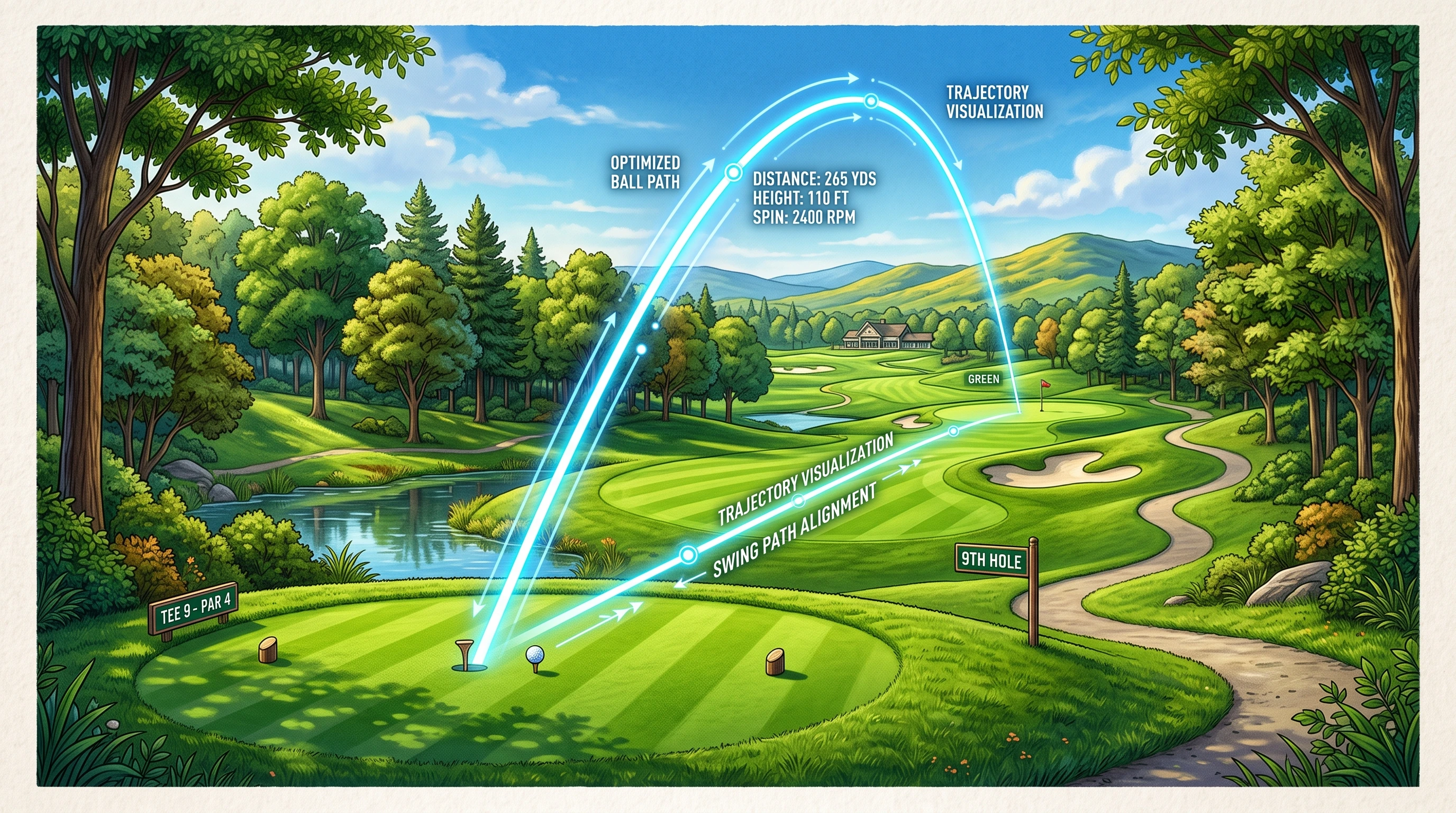
Visualization is one of those things that sounds simple but can make a big difference in your swing, whether you’re talking golf, baseball, tennis, or any sport involving a swing motion. Even if you haven’t tried it, plenty of athletes and coaches stand behind the mental edge that comes from seeing your perfect swing in your head before you ever move a muscle. I’ve found that when I actually picture the exact shot, the feeling, and the outcome I’m aiming for, my body just seems to follow along much more easily.
Why Visualization Works for Swing Improvement
Mental practice is grabbing a lot of attention these days, and it’s easy to see why once you look at the science. When you visualize a movement, your brain actually lights up in a way similar to doing the movement for real. This mental rehearsal helps build muscle memory, sharpens timing, and gives a boost to confidence. I noticed that by visualizing my swing, I start feeling more balanced and intentional when I actually step up to hit.
Visualization works because your brain can’t always tell the difference between an imagined action and a real one. Sports psychologists often encourage visualization for this reason. It gives you a way to practice without physically swinging or risking injury. Neuroscience backs this up; repeated mental reps reinforce the same neural pathways as physical reps.
When I’m working through a swing slump or learning something new, I find it really helpful to sit quietly and watch the perfect swing play in my mind. Sometimes I even close my eyes before a round and picture myself hitting that perfect drive or nailing a great backhand, and it actually calms my nerves. Making the scene in your mind as real as possible steps up its value for both new and experienced athletes.
How to Get Started With Visualization Techniques
Visualization isn’t just daydreaming. There are some easy ways to build mental images that actually help your swing. Here’s what I usually suggest when you want to get into it:
- Find a quiet spot: Fewer distractions make it easier to picture things clearly.
- Imagine the scene in detail: See the course, the field, or the court. Think about the colors, the sounds, and even the feel of the ground beneath your feet.
- Break down the swing: Go through the motion in your mind step by step – grip, stance, backswing, follow-through, and finish.
- Use all your senses: Imagine the feel of the club, the sound of contact, the sight of the ball’s flight, and even the smell of grass or fresh air.
- See the outcome: Picture the ball heading exactly where you want it to go.
It’s all about making the visualization as real as possible. The more vivid, the better the effect. Visualization can happen before practice, on the range, or even just before you make a swing in a game. Practicing this a few times a week, you’ll likely spot more consistency and confidence over time.
The Mental Game: Visualization and Confidence
Everyone knows that swinging well is as much mental as physical. Confidence can easily turn a shaky swing into a solid one. Mental pictures help you rehearse success before you try for real. When I’m struggling with nerves, seeing everything working out in my mind really has a positive effect.
Visualization lets you prep for tough situations or pressure moments, such as hitting from the rough or facing a lightning-fast pitch. By rehearsing these situations in your head, you build up mental habits that make you less likely to freeze up when it matters.
I used to think of visualization as just hyping myself up. Now, I see it as running through reps; I’m practicing my swing in a way that matters just as much as putting in physical training.
Step-by-Step Guide to Building a Visualization Routine
Visualization routines aren’t complicated, but consistency pays off. Here’s a quick guide to get the most out of your mental practice:
- Choose your focus: Decide what you want to visualize—maybe a specific aspect of your swing, like keeping your head steady, or hitting a certain type of shot.
- Relax and breathe: Take a few slow breaths to clear your mind and chill your body. This helps boost focus.
- Create clear mental images: Visualize the movement, step by step, with attention to detail and pacing.
- Add feeling: Imagine the actual sensations, like the weight of the bat or the feel of your muscles at impact.
- Picture a positive result: Always finish your mental rep with a successful outcome. This trains your brain to expect success.
- Repeat regularly: Spend just five to ten minutes a few times a week or before competitions for best results.
Building a routine like this can turn visualization into a habit, not just something you try randomly before a big moment. If you want extra motivation, consider tracking your sessions in a journal or calendar. Over time, you’ll notice the gains appearing in your swing and in your confidence.
Things to Watch For: Challenges and Easy Fixes
Like any new skill, learning to visualize takes a little patience. Here are some common challenges and what works to solve them:
- Images feel fuzzy or unclear: This is super common at first. Stick with it—clarity gets better over time. Try to focus on one small detail, like your hands or club, then work out to the whole swing.
- Hard to stay focused: Your mind might wander, especially in the beginning. If you lose the picture, just gently bring it back.
- Negative images pop up: Sometimes you picture a missed shot instead of a great one. When that happens, pause and restart your mental video with a positive scene. You’re retraining your mind just like you train your body.
- Feels awkward: Visualization can feel a little silly if you’re not used to it. Remind yourself it’s a real, science-backed technique. Don’t judge yourself; it gets easier with more practice.
Remember, visualization isn’t a quick fix for every technical issue, but it’s a solid addition to your toolkit along with practice, coaching, and drills. The key is to keep building on what you picture and settle into a routine that works for you.
Troubleshooting Visualization Challenges
If you ever get stuck or feel like you’re not making progress, try this:
- Watch videos of great swings (or your own) and replay them in your head later.
- Write down the feeling or focus words that help maintain your mental image—like “smooth,” “balanced,” or “powerful.”
- Pair visualization with deep breathing to help settle nerves and focus your mind.
- If you have access, ask a coach or teammate for specific details to help you create better images in your mind. Sometimes another perspective makes all the difference.
Adjusting your approach or adding feedback from others can be that extra nudge to make visualization more effective.
Visualization in Everyday Training
Visualization isn’t only for pro athletes. Tons of amateur athletes and weekend warriors use it for a quick boost. Visualization fits right in with drills, video review, and regular practices. Here are a few ways I work visualization into a typical training week:
- Before practice: I take a minute to see the perfect swing and focus on what I want to nail that day.
- At home: Even on off days, running through swings mentally keeps me sharp—especially if I’m trying to maintain form or recover from an injury.
- Before a big moment: Right before a tough hole, a crucial at-bat, or an important serve, I close my eyes and run through the shot, so I feel ready when it counts.
Just five minutes here and there makes a difference. Over a month, you’ll likely spot yourself reacting faster, recovering focus after a mistake, and trusting your swing instincts much more.
What Equipment (or Apps) Can Help?
You don’t need much to start visualizing, but certain tools make building a habit easier. Here’s what I’ve found helpful:
- Slowmotion videos: Watching slowmotion clips of pro swings, or your own, makes building those mental images way easier.
- Mental training apps: There are apps for guided imagery and focus that can walk you through routines and track your progress.
- Journals: Keeping a simple notebook or even voice memos about your mental practice can hold you accountable and help track results over time.
Some golfers and baseball players use VR headsets these days, but consider that an extra. The main advantage comes from the routine and mental focus, not fancy tech. Start simple and move up if you want extra features later on.
Frequently Asked Questions
Here are a few common questions I get about using visualization for swing improvement:
Question: Does visualization work for beginners?
Answer: Absolutely; beginners get a lot out of visualization, especially when building confidence and learning what the perfect swing feels like in their minds.
Question: How long do I need to practice visualization to spot results?
Answer: It varies, but even a few minutes, three to five times a week, lets you stumble upon a noticeable difference within a month.
Question: Should I visualize before every swing?
Answer: You don’t have to do it every single time, but a quick mental replay before important shots or when learning something new helps settle nerves and keeps you focused.
Bringing Visualization Into Your Game
Adding visualization to your practice routine turns those mental images of the perfect swing into real gains. With regular mental practice, you’ll boost focus and start to swing with more confidence. It’s a straightforward skill, but very powerful once it becomes second nature alongside your usual training.
If you’re searching for a new edge or want to break out of a rut, visualization is worth checking out. Over time, you might find yourself making more consistent contact, feeling less pressure in high-stress moments, and enjoying your practice more often. That’s a change any athlete can appreciate.