
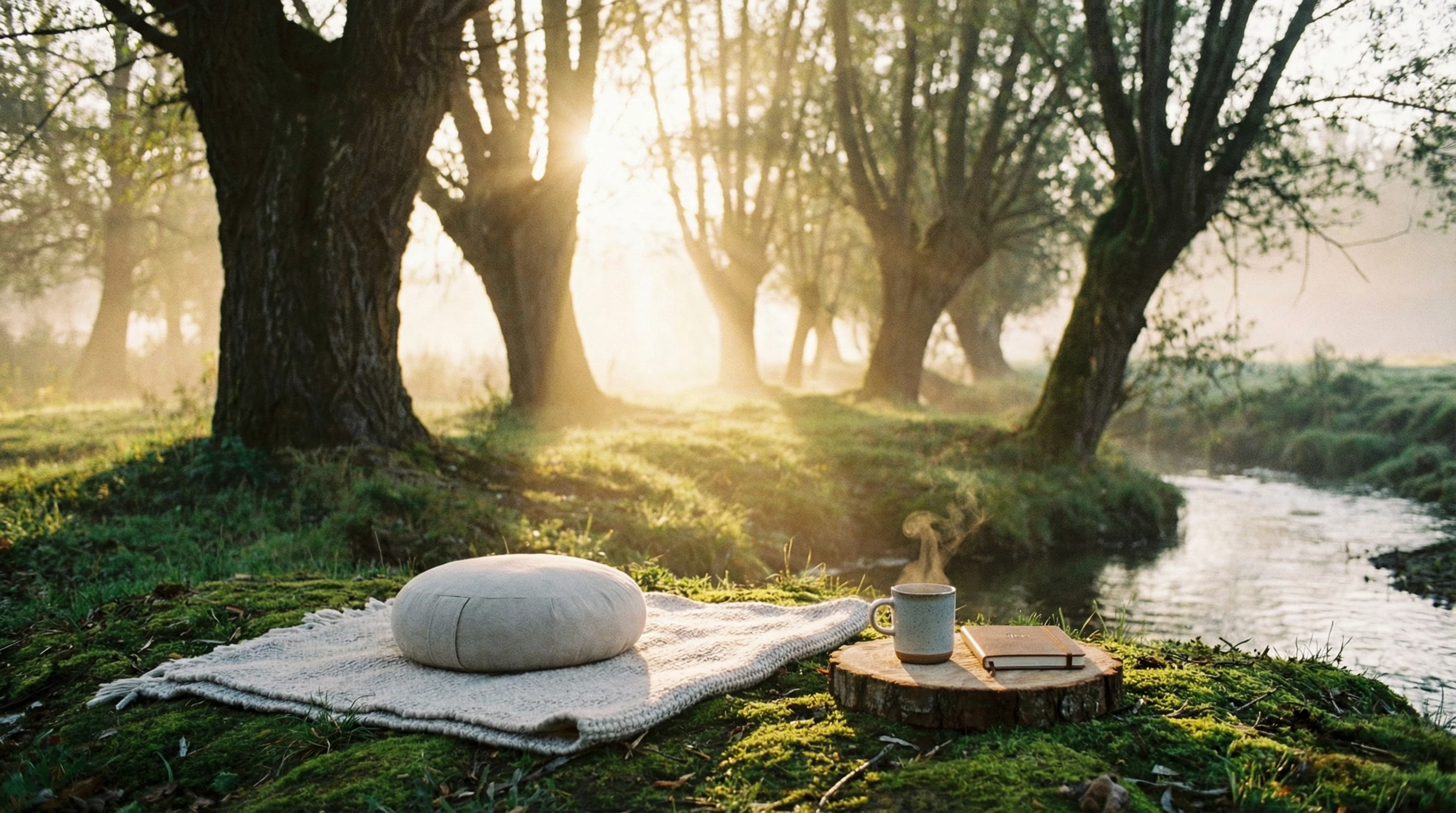
 Gratitude meditation is a super useful way to switch up your mindset, tone down stress, and boost happiness. Basically, it involves taking some time to focus on what you appreciate in your life—both the big stuff and all the small moments you might miss. This practice is pretty approachable and doesn’t require any fancy equipment or hours of free time.
Sometimes, it can feel easier to focus on what’s missing or stressful, especially when things get hectic. I’ve found that gratitude meditation helps me notice the good that’s already present, even during busy weeks when everything feels overwhelming.
Here’s my guide for getting started with gratitude meditation, how you can make it part of your daily routine, and answers to some common questions along the way.
Step 1: Understand What Gratitude Meditation Is
Gratitude meditation is a simple mindfulness practice that shines a light on the positives in your life. While regular meditation might keep your focus on your breath or body, gratitude meditation brings your attention to specific things you’re thankful for. Doing this regularly can really help you feel calmer, more content, and even energize your day.
Why Practice Gratitude Meditation?
- It’s a quick way to give your mood a boost.
- Helps you cope better when things aren’t going perfectly.
- Makes it easier to notice the small joys you might usually skip over.
- Research (like this study) shows it’s tied to better wellbeing and lower stress levels.
I started with just a few minutes a day, and noticed after a week or two, I was less likely to get stuck in negative thought loops. Over time, my mindset shifted and it became easier to pick up on little things throughout my day that made me feel light and refreshed.
If you want to check out something that adds depth to your gratitude practice, consider pairing your meditation with a short journaling session. Jot down three things you’re thankful for right afterwards—the act of writing can help anchor those positive emotions longer.
Step 2: Get Comfortable and Settle In
You don’t need a special room or cushions. I sit wherever is quiet. Sometimes it’s my couch; other times it’s while waiting in my car before an appointment. What matters most is comfort and minimizing distractions.
Quick Setup Tips:
- Choose a spot with minimal noise or interruptions.
- Sit with a relaxed but upright posture (chair, bed, floor works fine).
- Turn off notifications or put your phone on Do Not Disturb.
- Some people like to dim the lights, light a candle, or bring in calming music, but it’s totally optional.
Settling in makes it way easier to focus, especially when your brain is running a mile a minute. Take a few moments just to check in with your body and see how you’re feeling before getting started.
Step 3: Start Your Gratitude Meditation Practice
I use this step-by-step method pretty much every day, especially during those mornings when I wake up on the wrong side of the bed.
- Close your eyes and take a few deep breaths. Inhale through your nose, exhale slowly through your mouth. This helps bring you into the moment.
- Notice your surroundings for a few seconds. Feel the ground under your feet, the chair supporting you, or the air on your skin.
- Think about one thing you’re grateful for right now. This can be something simple, such as your cup of tea, a sunny day, or just the fact that you have five minutes to yourself. Let that feeling grow for a few breaths.
- Add more things if you want. Move from the basics to bigger stuff. Maybe a friend who checked in, a favorite pet, or just the fact that you made it through a long workday.
- Sit with those feelings for a minute or two. Let yourself actually feel the appreciation rather than rushing through the list.
- When you’re ready, take a final deep breath and gently open your eyes.
You can keep it short (under five minutes) or stay with it longer if you’ve got the time. If you notice your attention wandering, just gently bring it back to the feeling of gratitude.
Step 4: Tips for Making It a Daily Habit
It can be tricky to remember meditation at first, especially if you already have a jampacked schedule. Here’s what’s worked for me:
- Link it to a daily routine. Attach your gratitude practice to something you already do, like brushing your teeth or waiting for your coffee to brew.
- Use prompts when you’re stuck. Some days my mind blanks out. Prompts like “someone I appreciate” or “something that made me smile yesterday” keep things moving.
- Keep a gratitude journal nearby. Writing down just three things each day helps build mindful momentum. It’s cool to look back and see patterns over time.
- Start small. Even once or twice a week is a good start. It’s better to do a tiny session consistently than plan for ten minutes but never get around to it.
After a month of frequent practice, gratitude meditation started to feel less like a chore and more like a reset button for my mood. Some mornings, I add a quick stretch or a brief smile in the mirror to reinforce the positivity.
Step 5: Avoid Common Distractions and Pitfalls
Staying focused can be tough, especially with constant notifications or a busy house. I’ve run into my share of distractions, so here are a few things that help me stay on track:
- No phone for a few minutes. Airplane mode or Do Not Disturb keeps those pings and buzzes away.
- Pick the same time every day if you can. Routine helps you automatically shift into meditation mode.
- Don’t force gratitude on bad days. If you’re feeling off or stressed, just acknowledge it. Sometimes I focus on something super basic, like being grateful for the roof over my head. It’s enough to gently switch up my attitude, even on rough days.
It’s really important to remember that this is your practice. There’s no perfect way to do it, so having patience with distractions makes a big difference. Don’t be hard on yourself if a session doesn’t go as planned—just show up the next day and do your best.
Step 6: Questions & Troubleshooting
What if I can’t think of anything to be grateful for?
I’ve had days where gratitude feels impossible. When that happens, I focus on something tiny—a good meal, a text from a friend, or even a comfy pillow. Over time, noticing small moments helps me spot more and more things to appreciate. One trick: try thinking about people who support you, safe places you enjoy, or just moments of peace in your routine.
How long does it take to see benefits?
Some people feel a boost in mood after their first session. For me, keeping at it for a few weeks created a bigger shift. The positive effects, like better focus, less stress, and a lighter mood, build up over time. You might even find yourself being kinder to others or dealing with tough days more easily.
Can I do gratitude meditation with kids or friends?
Definitely. Sometimes, my family shares what we’re each grateful for at the dinner table or in the car. Group gratitude shares can lighten the mood and strengthen positive relationships. Friends can make the practice more fun and less intimidating, especially for beginners.
Next Steps & Extra Motivation
Building a gratitude meditation practice is really about taking care of your mindset. It doesn’t require long hours, just a willingness to pause and notice good moments. Even if you only have time for a one-minute reflection, it still counts.
Quick Action Plan:
- Decide when to try your first gratitude meditation (could even be right now!).
- Pick one prompt to focus on, like “something that made you smile this week.”
- Set a reminder on your phone or leave a note for yourself to try again tomorrow.
The more you practice, the easier it is to bring gratitude not just into meditation, but into the rest of your day. Over time, this can turn into a natural part of your mindset. What’s one thing you’re grateful for as you read this? If you want, share it below—I’d love to hear your thoughts and experiences.
Gratitude meditation might seem simple, but sticking with it builds a real foundation for emotional resilience, contentment, and daily happiness. Try experimenting to see what feels best for you, whether it’s a solo session, writing down your thoughts, or sharing the practice with others. As you grow your practice, you might stumble upon little surprises about yourself and your life that shift how you view everyday moments for the better.