
If you’re looking for low-effort ways to keep your brain active, simple mental exercises might fit right into your routine. Boosting your mindpower isn’t just for school or work. It’s something you can enjoy every day to keep your memory, attention, and problem-solving skills on point. I’ll walk you through easy mental exercises you can start today, along with practical explanations for why these habits matter.
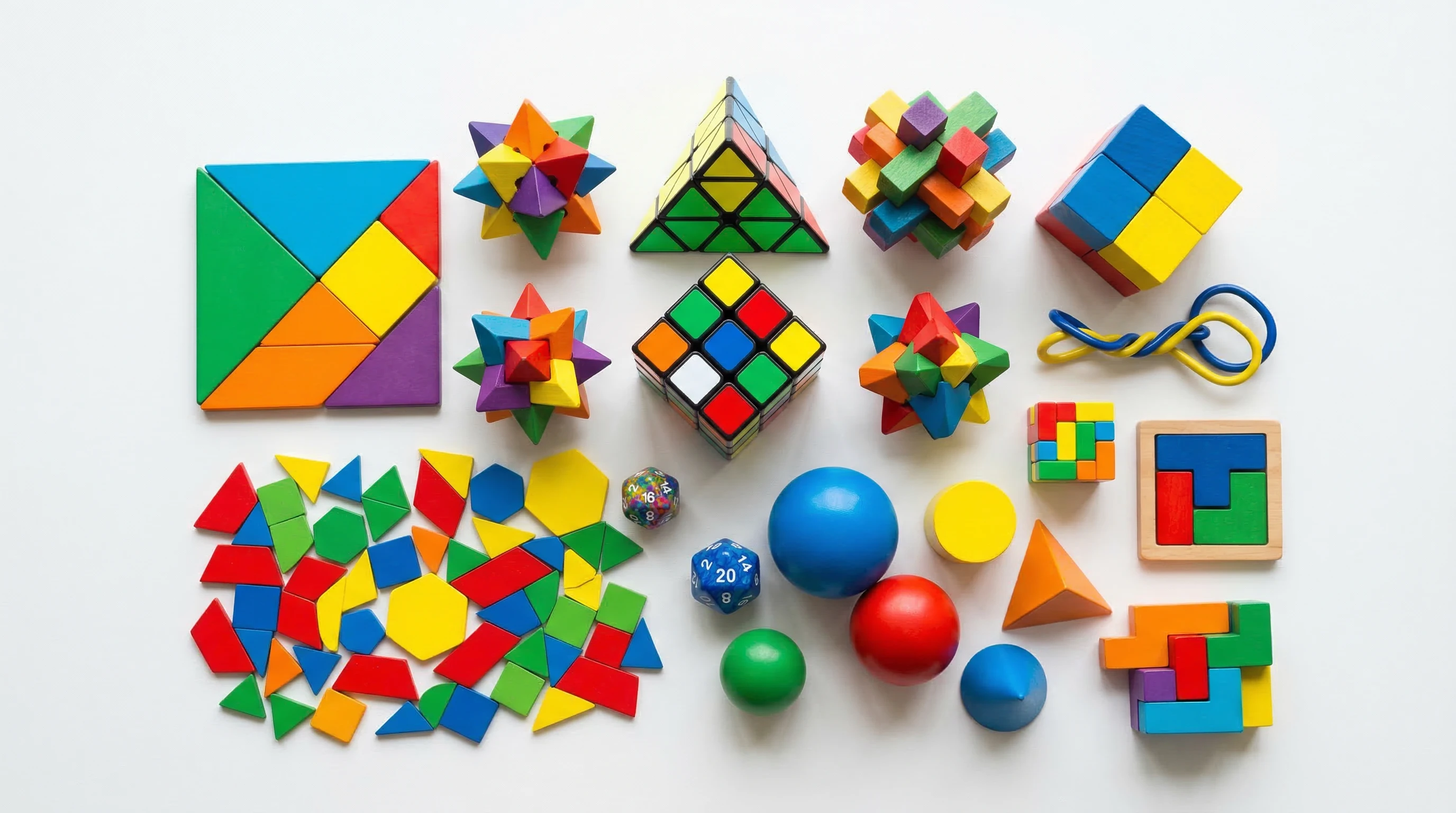
Why Simple Mental Exercises Matter
Staying mentally engaged doesn’t have to mean learning a new language or solving tricky math problems every day. Even basic activities that challenge you in small ways can help slow down age-related mental decline and keep your memory sharper. Research shows that people who regularly train their brains with little exercises or brain teasers tend to do better at recalling information and focusing on tasks (source).
Building these habits into your everyday life is easier than it sounds. Instead of thinking about brain training as a chore, it’s more about small tweaks, like doing a quick puzzle, switching up your routine, or even listing groceries from memory. Simple efforts like these really add up over weeks or months. And because these activities are flexible, they fit easily into busy schedules without requiring lots of extra time or special tools.
Easy Mental Exercises You Can Try Daily
Basic brain exercises don’t need special equipment, paid apps, or lots of free time. Here are some exercises that work well for anyone at home, at work, or even while commuting.
- Word games and puzzles: Crossword puzzles, word searches, and popular games like Sudoku encourage logical reasoning and boost vocabulary.
- Memory challenges: Try remembering your shopping list, a phone number, or directions without writing them down.
- Switching hands: Use your nondominant hand to brush your teeth, eat, or write a note. This simple switch activates different parts of your brain.
- Mental math: Calculate tips, discounts, or even add numbers in your head instead of relying on your phone calculator.
- Daily reflection: Spend five minutes at the end of your day recalling events, conversations, or facts without looking back at your calendar or notes.
These activities may sound basic, but together they create an all-in-one workout for your brain. Try incorporating a variety to keep your mind engaged in different ways and avoid getting bored with the same routine.
Getting Started: Creating a Brain-Boosting Routine
It’s easy to get overwhelmed by new habits, so keep it simple and pick just one or two mental exercises to add to your routine. I’ve found it really helpful to pair brain workouts with daily activities, like solving a mini crossword puzzle with coffee or doing a memory recall game after lunch. Here are quick ways to build these into your day:
- Add a puzzle to your morning: Keep a Sudoku or crossword book on your breakfast table and solve a few clues before you leave.
- Do memory checks on errands: Try to remember your shopping list or to-do list without checking your phone.
- Practice mental math on the go: Calculate change, estimate your total, or figure out how many days till a certain date—all in your head.
- Switch hands once a day: Whether you’re brushing your teeth or picking up your mug, use your other hand for a simple switch.
- Reflect before bed: Recall three things that happened during your day, as specifically as possible, just before you sleep.
Starting is all about consistency. Even spending a few minutes can build a routine that sticks over time. Sticking to just one or two exercises at first makes the process feel manageable, and once these are part of your day, adding more becomes second nature.
Common Roadblocks and How to Stay Motivated
Like any habit, distractions, boredom, or simply forgetting can appear. I run into this too. Here are real-life tips that keep me, and hopefully you, motivated:
- Keep it light: Choose puzzles or tasks that you enjoy. If crosswords feel like a chore, a quick trivia question or a fun app can make the difference.
- Switch up activities: Rotate the type of exercises every week. Try a word game today, a memory game tomorrow, and a new skill the next week.
- Set mini goals: Challenge yourself to remember seven groceries or solve a new type of puzzle by Friday.
- Buddy up: Share puzzles or brain teasers with friends or family, even over text. A little friendly competition helps everyone stay involved.
The key is not to get discouraged by skipped days. It’s all about small, steady progress, not perfection. If you slip up, just pick up where you left off, and soon your new mental habits will feel automatic. Making mental exercises social or incorporating rewards can also provide a motivation boost, so don’t hesitate to experiment until you find what keeps you coming back.
Next-Level Tips for a Sharper Mind
Once your basic brain routine is no sweat, a few quick upgrades can spice things up and give your mind more to chew on. Here are some habits I use that keep things interesting:
Mix in new experiences: Try a new recipe, take a different route to work, or start a new hobby. Tackling new activities challenges your memory, attention, and problem-solving in fresh ways.
Learn a new word or fact each day: Adding a single new word, phrase, or trivia tidbit broadens your thinking and language skills.
Get into strategy games: Board games and card games are perfect for practicing planning, memory, and focus with others. Think chess, Scrabble, or even Uno.
Try dual-tasking: Listen to a podcast while folding laundry, or memorize your shopping list while walking. Training the mind to handle two things at once can give your mental stamina a bump.
Adding new twists to your usual habits is a straightforward way to stay involved and on track even as you get comfortable with the basics. Trying different genres of puzzles, taking up challenging tasks, and forming new social connections through games are all wonderful ways to keep your mental energy flowing.
Situations Where Mental Exercises Help Most
Simple brain training helps at any age, but there are times when it’s especially handy. After a long workday, playing a word puzzle or recalling a list from memory helps break out of mindless scrolling or TV watching. Seniors benefit too. Daily memory games can keep their thinking skills sharper for longer, and younger people find that mental exercises help manage stress and improve focus at school or work.
- During breaks: A quick logic puzzle or mental math problem offers a fresh burst of energy.
- After stressful tasks: Reflection or a light memory game can help unwind and ease mental overload.
- Social gatherings: Trivia, card games, or even group riddles make mental workouts fun and interactive.
These tools aren’t just about staying sharp. They’re also practical for lifting mood and reducing stress in everyday life. The best part is, many of these activities can be shared with friends, making them a source of fun and social connection as well.
Frequently Asked Questions
Here are some questions I hear a lot about everyday mental exercises:
Question: How much time should I spend on brain training every day?
Answer: Even five to ten minutes a day is enough to see real benefits. The goal is steady activity, not overwhelming your schedule.
Question: Do I need apps or books for mental exercises?
Answer: Apps and books help, but basic exercises, like recalling lists, mental math, or switching hand routine, cost nothing and still make a big difference.
Question: Can brain games prevent memory loss?
Answer: While brain games won’t stop all age-related changes, regular mental exercise has been shown to help maintain memory and protect thinking skills as you age (Harvard Health).
Question: Do these exercises help with mental health?
Answer: Staying involved and learning new things can boost self-esteem, ease low mood, and help make daily life feel more rewarding. Pairing them with other healthy habits like social activity and a good night’s sleep works even better.
Takeaways for Everyday Brain Training
Building simple mental exercises into your day is one of the easier ways to keep your mind active and boost your memory, focus, and creativity. The best part is how flexible these habits are. You can pick and choose, change things up, and do them wherever you are. Whether you go for oldschool puzzles, memory tricks, or everyday changes like mixing up your daily route, the main thing is to stick with it and make it part of your routine. Over time, these little moments make a big difference for your mental sharpness and daily performance.
Feel free to try a few ideas from this guide or share your own favorite brain workouts. The key is to keep it fun and consistent, and you’ll notice improvements before you know it!